Brain Tumor Symptoms: Early Warning Signs, Causes, Diagnosis & When to See a Doctor
 admin
admin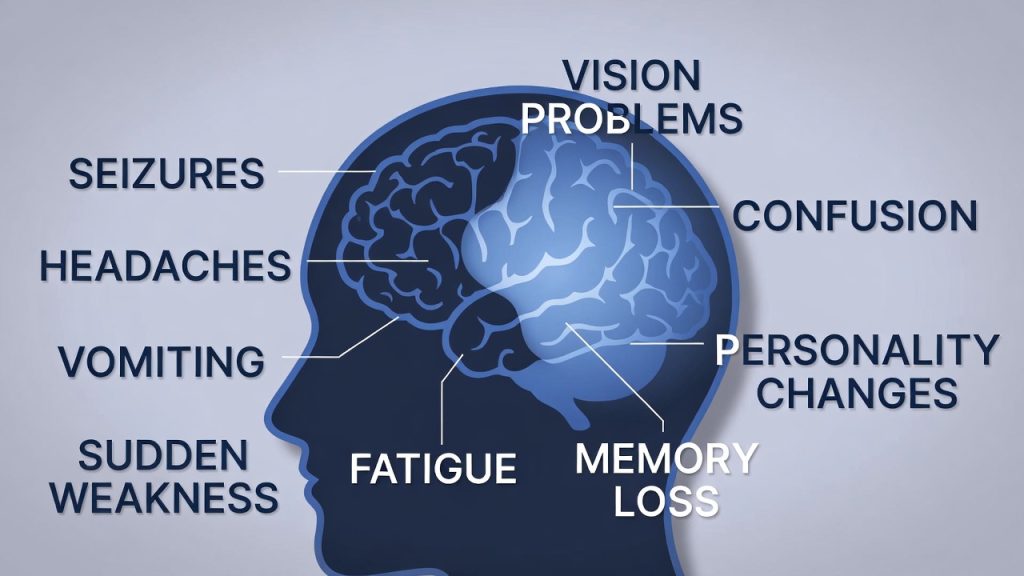
Brain tumor symptoms can vary widely depending on the size, type, and location of the tumor. Some symptoms develop slowly and are subtle at first, while others may appear suddenly and become severe within days or weeks. Recognizing the early signs of a brain tumor can significantly improve treatment outcomes and survival rates.
In this comprehensive SEO-based guide, we will explore brain tumor symptoms in detail, including early warning signs, symptoms in adults and children, tumor location–specific symptoms, causes, diagnosis, and when to seek medical attention.
What Is a Brain Tumor?
A brain tumor is an abnormal growth of cells within the brain or surrounding tissues. Tumors may be:
- Benign (non-cancerous) – Slow-growing and less likely to spread.
- Malignant (cancerous) – Aggressive and capable of invading surrounding brain tissue.
Brain tumors are classified into two main categories:
- Primary brain tumors – Originate in the brain.
- Metastatic brain tumors – Spread to the brain from other parts of the body.
According to the World Health Organization, brain tumors are among the most complex neurological conditions due to their impact on vital brain functions.
Why Do Brain Tumor Symptoms Occur?
Brain tumor symptoms develop because of:
- Increased pressure inside the skull (intracranial pressure)
- Compression of brain tissue
- Swelling (brain edema)
- Obstruction of cerebrospinal fluid flow
- Direct damage to specific brain regions
Since the brain controls every function in the body—movement, speech, memory, vision, and personality—even small tumors can cause noticeable symptoms.
Early Brain Tumor Symptoms
Early brain tumor symptoms are often subtle and may be mistaken for stress, migraine, or other common conditions.
1. Persistent Headaches
Headaches are one of the most common brain tumor symptoms.
Characteristics of Tumor-Related Headaches:
- Worse in the morning
- Worsen with coughing or bending
- Increase over time
- Not relieved by usual pain medications
- Associated with vomiting
Unlike typical migraines, brain tumor headaches tend to become progressively worse.
2. Nausea and Vomiting
Unexplained morning nausea and vomiting without gastrointestinal illness may indicate increased intracranial pressure.
Vomiting that provides temporary relief from headache can also be a warning sign.
3. Seizures
A seizure may be the first symptom of a brain tumor, especially in adults with no history of epilepsy.
Types of seizures include:
- Full-body convulsions
- Jerking movements in one limb
- Sudden confusion
- Staring spells
- Temporary speech arrest
Any first-time seizure requires urgent medical evaluation.
4. Vision Problems
Tumors affecting the optic pathways may cause:
- Blurred vision
- Double vision
- Loss of peripheral vision
- Sudden visual field defects
Some patients notice difficulty reading or bumping into objects.
5. Weakness or Numbness
Brain tumors can cause:
- Weakness on one side of the body
- Numbness in arms or legs
- Difficulty walking
- Loss of coordination
These symptoms depend on which brain region is affected.
Brain Tumor Symptoms Based on Tumor Location
The brain is divided into specialized areas. Symptoms vary according to tumor location.
Frontal Lobe Tumor Symptoms
The frontal lobe controls personality, behavior, speech, and movement.
Symptoms include:
- Personality changes
- Poor judgment
- Irritability
- Memory problems
- Difficulty speaking (Broca’s aphasia)
- Weakness on one side of the body
Family members often notice personality changes first.
Temporal Lobe Tumor Symptoms
The temporal lobe is responsible for memory, hearing, and language comprehension.
Symptoms include:
- Memory loss
- Hearing problems
- Seizures
- Difficulty understanding speech
- Emotional instability
Parietal Lobe Tumor Symptoms
The parietal lobe processes sensory information.
Symptoms include:
- Difficulty recognizing objects
- Problems with writing
- Trouble distinguishing left from right
- Sensory loss
Occipital Lobe Tumor Symptoms
The occipital lobe controls vision.
Symptoms include:
- Partial vision loss
- Visual hallucinations
- Blind spots
Cerebellum Tumor Symptoms
The cerebellum controls balance and coordination.
Symptoms include:
- Unsteady walking
- Dizziness
- Poor coordination
- Nausea
- Difficulty with fine motor skills
Brainstem Tumor Symptoms
The brainstem controls breathing, heart rate, and vital reflexes.
Symptoms include:
- Difficulty swallowing
- Facial weakness
- Double vision
- Speech difficulties
- Balance problems
Brainstem tumors are particularly serious due to their critical location.
General Symptoms of Increased Intracranial Pressure
When a tumor grows large, it increases pressure inside the skull.
Common signs include:
- Severe headache
- Vomiting
- Blurred vision
- Drowsiness
- Confusion
- Coma (in severe cases)
Increased intracranial pressure is a medical emergency.
Brain Tumor Symptoms in Children
Children may show different symptoms compared to adults.
Common pediatric symptoms:
- Rapid increase in head size (infants)
- Bulging fontanelle
- Delayed development
- Persistent vomiting
- Irritability
- Balance problems
- School performance decline
According to the American Brain Tumor Association, brain tumors are among the most common solid tumors in children.
Early pediatric diagnosis is critical for better outcomes.
Symptoms of Benign vs Malignant Brain Tumors
Benign Tumors:
- Grow slowly
- Symptoms develop gradually
- Often localized
Malignant Tumors:
- Rapid symptom progression
- Severe neurological decline
- May spread to nearby brain tissue
One aggressive type is glioblastoma, which can worsen quickly if untreated.
Brain Tumor Symptoms That Should Never Be Ignored
Seek immediate medical attention if you experience:
- Sudden severe headache
- First-time seizure
- Sudden vision loss
- Weakness on one side
- Speech difficulty
- Confusion or altered consciousness
These may indicate a brain tumor or stroke.
Risk Factors for Brain Tumors
Although the exact cause is often unknown, risk factors include:
- Genetic syndromes
- Radiation exposure
- Family history
- Weakened immune system
- Previous cancer (metastasis risk)
However, many brain tumor patients have no identifiable risk factors.
How Brain Tumors Are Diagnosed
If symptoms suggest a brain tumor, doctors may order:
MRI Scan
The most accurate imaging test.
CT Scan
Useful in emergency settings.
Biopsy
Determines tumor type and grade.
Neurological Examination
Assesses reflexes, strength, coordination, and sensation.
Early detection significantly improves treatment options.
Treatment Options Based on Symptoms
Treatment depends on tumor type and severity of symptoms.
Options include:
- Brain tumor surgery
- Radiation therapy
- Chemotherapy
- Targeted therapy
- Steroids to reduce swelling
- Anti-seizure medications
Multidisciplinary teams determine individualized treatment plans.
Can Brain Tumor Symptoms Be Mistaken for Other Conditions?
Yes. Brain tumor symptoms can resemble:
- Migraine
- Stroke
- Multiple sclerosis
- Epilepsy
- Psychiatric disorders
- Sinus infection
Persistent or progressive symptoms require imaging for accurate diagnosis.
When to See a Doctor
You should consult a neurologist if:
- Headaches are worsening
- Seizures occur
- Neurological symptoms progress
- Vision changes develop
- Personality changes appear suddenly
Early consultation leads to early intervention.
Psychological and Emotional Symptoms
Brain tumors can affect emotional well-being.
Possible psychological symptoms:
- Depression
- Anxiety
- Mood swings
- Behavioral changes
- Cognitive decline
Supportive care is an essential part of treatment.
Survival and Prognosis
Survival depends on:
- Tumor type
- Grade
- Location
- Age of patient
- Overall health
- Treatment response
Benign tumors often have excellent prognosis after surgery. Malignant tumors require aggressive treatment but outcomes have improved with modern therapies.
Preventing Delayed Diagnosis
To avoid late detection:
- Do not ignore persistent symptoms.
- Seek medical evaluation for new neurological issues.
- Follow up regularly if at risk.
- Educate family members about warning signs.
Public awareness plays a key role in early diagnosis.
Frequently Asked Questions (FAQ)
Are headaches always a sign of brain tumor?
No. Most headaches are not caused by brain tumors. However, persistent and progressive headaches should be evaluated.
Can brain tumor symptoms appear suddenly?
Yes, especially if bleeding or swelling occurs.
Do all brain tumors cause seizures?
No, but seizures are common in certain tumor types.
Can stress cause brain tumor symptoms?
Stress does not cause brain tumors but may worsen perception of symptoms.
Are brain tumors curable?
Some benign tumors are curable with surgery. Malignant tumors require comprehensive treatment.
Conclusion
Brain tumor symptoms vary widely and may initially resemble common illnesses. However, persistent, progressive, or severe neurological symptoms should never be ignored.
Key warning signs include:
- Persistent worsening headaches
- Seizures
- Vision changes
- Weakness or numbness
- Personality changes
- Balance problems
According to global neurological data from the World Health Organization, early detection and specialized treatment significantly improve outcomes for brain tumor patients.
If you or someone you know experiences concerning neurological symptoms, consult a qualified neurologist or neurosurgeon immediately. Early diagnosis can save lives and protect brain function.